
Empowered Movement: How Innovation is Redefining Athletic Possibility
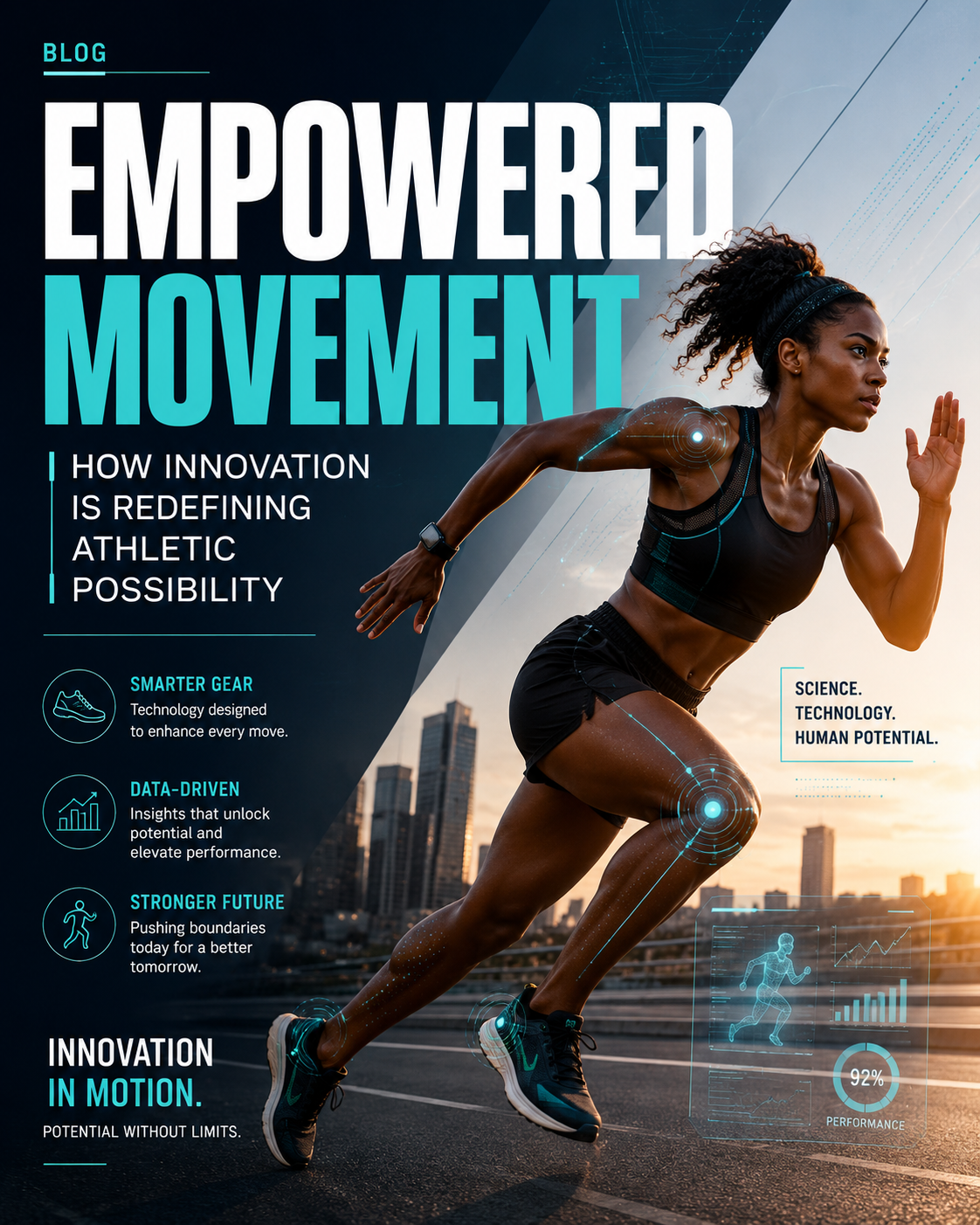
Adaptive sports technology is transforming the landscape of athletics by expanding what the human body can achieve through engineered mobility solutions. At its core, this field merges biomechanics, materials science, robotics, and digital intelligence to create tools that enhance movement for athletes with disabilities. The result is not simply participation in sports but elevated performance, independence, and competitive equality. Mobility is no longer viewed as a limitation to overcome but as a design challenge that innovation can continuously improve.
One of the most significant breakthroughs in adaptive sports technology is the development of high-performance prosthetics. Modern prosthetic limbs are no longer passive replacements. They are dynamic systems engineered for energy return, shock absorption, and movement efficiency. Carbon fiber blades used in running events, for example, store and release kinetic energy with each stride, enabling athletes to achieve remarkable speed and endurance. Microprocessor-controlled joints further enhance stability and adaptability, adjusting in real time to terrain and motion patterns. These advancements demonstrate how mobility innovation is directly reshaping athletic performance standards.
Wheelchair technology has also undergone a dramatic evolution. Sport-specific wheelchairs are now custom engineered for different athletic disciplines such as basketball, tennis, and racing. These designs prioritize agility, speed, and structural resilience. Lightweight alloys and aerodynamic frames reduce drag, while precision wheel alignment improves maneuverability. For athletes, this means greater control, faster response times, and improved safety during high intensity competition. Mobility in this context becomes an extension of athletic strategy rather than a limitation.
Wearable technology is another major driver of adaptive sports advancement. Devices equipped with motion sensors, gyroscopes, and biometric tracking systems provide real-time data on performance metrics such as balance, posture, and muscle engagement. Coaches and athletes use this data to refine training programs, prevent injuries, and optimize movement efficiency. Artificial intelligence systems further enhance this process by identifying patterns and recommending personalized adjustments, allowing mobility training to become increasingly precise and individualized.
Virtual reality and augmented reality are also emerging as powerful tools in adaptive sports training. These technologies allow athletes to simulate competitive environments without physical barriers. For individuals with mobility limitations, VR-based training can replicate real-world scenarios such as court sports, track events, or aquatic environments. This not only builds technical skill but also strengthens mental preparation and spatial awareness. Mobility training is therefore expanding beyond physical spaces into immersive digital environments.
Despite these innovations, accessibility and affordability remain critical challenges. High-performance adaptive equipment is often expensive, limiting access to elite-level technology for many athletes. In addition, disparities in funding between countries and sports organizations create unequal opportunities for development. While elite athletes may benefit from cutting-edge systems, community-level athletes often rely on outdated or limited resources. This imbalance highlights the need for broader investment and policy support in adaptive mobility infrastructure.
Social impact is another important dimension of adaptive sports technology. These innovations are not only enhancing physical performance but also reshaping perceptions of disability. Athletes using advanced mobility systems are increasingly visible in mainstream competitions, challenging outdated narratives about physical limitation. Their presence reinforces the idea that disability is not a barrier to excellence but a different expression of athletic capability supported by technology and design.
Looking ahead, adaptive sports technology is expected to become even more integrated with artificial intelligence, neural interfaces, and robotics. Brain-computer interfaces may one day allow direct control of mobility devices through neural signals, further reducing physical barriers. Smart prosthetics may adapt autonomously to environmental conditions, while fully integrated wearable systems could create seamless human-machine athletic performance.
In this evolving landscape, mobility is no longer defined solely by the body. It is defined by the relationship between human potential and technological support. Adaptive sports technology is not just changing how athletes move. It is redefining what movement means in the world of sports.

Need help? Talk to our expert.
Connect with a trusted agent who knows the market inside out - whether you’re buying or selling.